Buy family.co.at ?
We are moving the project
family.co.at .
Are you interested in purchasing the domain
family.co.at ?
domain@kv-gmbh.de · 0541-91531010
Buy family.co.at ?
What are trophic levels and trophic structures?
Trophic levels refer to the hierarchical levels in an ecosystem through which energy and nutrients flow. They represent the feeding positions of different organisms in a food chain or food web. Trophic structures, on the other hand, describe the organization of these trophic levels within an ecosystem. This includes the distribution of energy and nutrients among different organisms, as well as the interactions and relationships between them. Overall, trophic levels and trophic structures are important concepts for understanding the flow of energy and nutrients in ecosystems and the dynamics of food chains and food webs. **
Are trophic levels and trophic levels the same in biology?
No, trophic levels and trophic levels are not the same in biology. Trophic levels refer to the hierarchical levels in an ecosystem based on an organism's position in the food chain, such as producers, primary consumers, secondary consumers, etc. On the other hand, trophic cascades are the indirect effects that occur when a change in one trophic level impacts other trophic levels in the ecosystem. Both concepts are important in understanding the dynamics of energy flow and interactions within ecosystems. **
Similar search terms for Trophic
Top-Angebote
Products related to Trophic:
-
The Readers Paradise The Complete Parenting Guide: Positive Parenting by Prof. N. K. Chandha - Non Fiction Paperback - Practical Advice for Raising Confident, Happy ChildrenRaising confident, emotionally balanced children starts with the right guidance, and The Complete Parenting Guide: Positive Parenting delivers exactly that. Written by Prof. N. K. Chandha, this accessible non-fiction paperback moves beyond vague theory to offer practical, everyday strategies parents can use immediately. It focuses on communication, boundaries, and emotional wellbeing, giving mums and dads a steady reference to return to as their family grows and new challenges appear along the way. This guide is built around the principles of positive parenting: nurturing children through encouragement, consistency, and empathy rather than fear or punishment. Across its chapters, the book walks through the core pillars of raising a well-adjusted child, including building self-esteem, encouraging independence, and managing difficult behaviour calmly.2,99 £*Shipping: 2,99 £Secure redirect to the provider
-
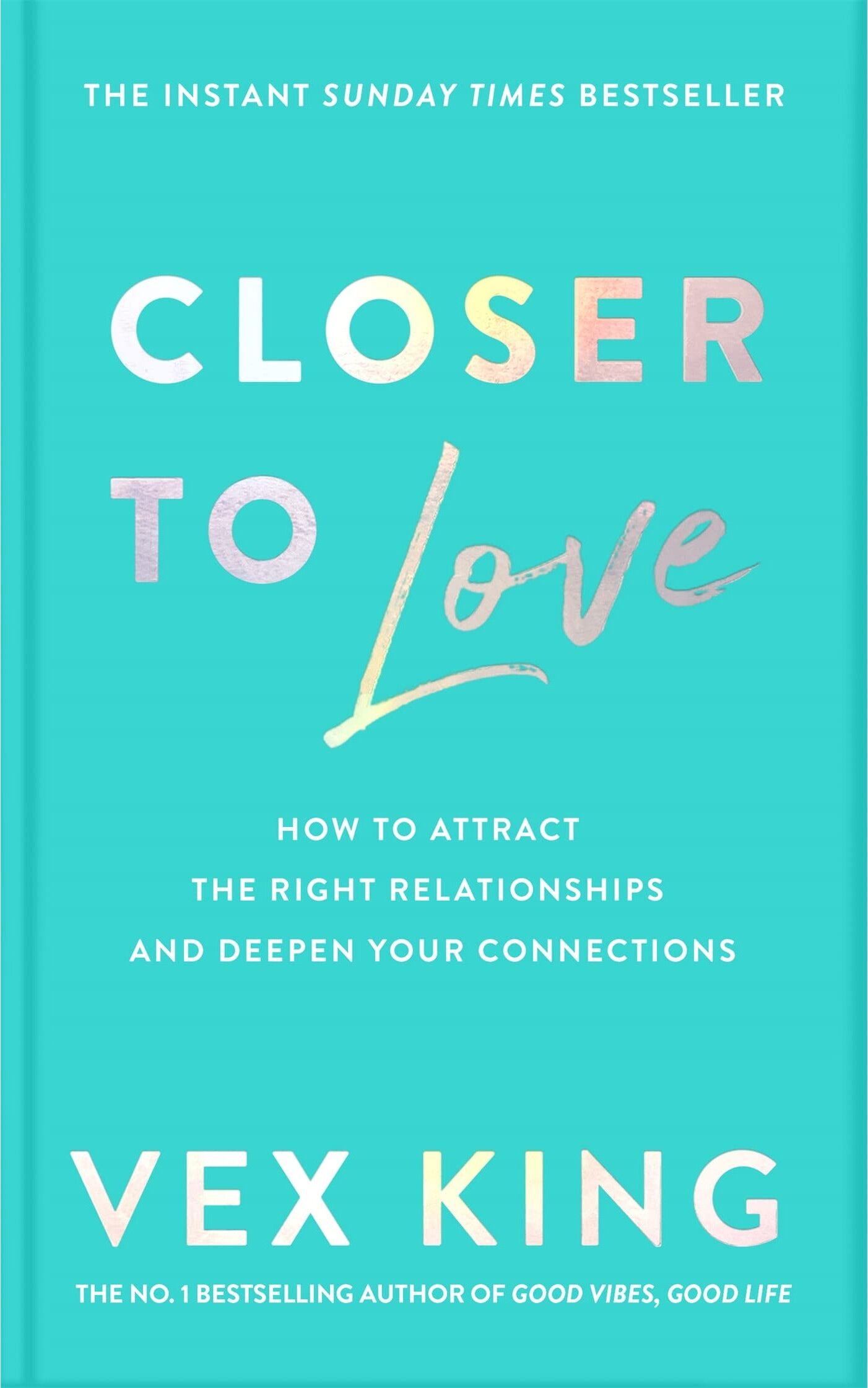
Bluebird Closer to Love: How to Attract the Right Relationships and Deepen Your Connections by Vex King - PAPERBACKDo you love your partner but want to rekindle that ‘in love’ feeling?Do you go on plenty of dates but can’t seem to click with the right person?Do you keep having the same conflicts with your partner?Embark on a journey of self-love to experience authentic connection and unconditional love . . .Speaking from his personal experiences of healing from heartbreak and finding lasting love, Vex shares practical advice and thought-provoking insights to help you:- Understand how you love and the role you play in your connections- Heal from past conditioning, unprocessed emotions and trauma- Cultivate healthy habits, boundaries and behaviours- Nurture meaningful, mindful and lasting connections.Essential reading for anyone looking to deepen their understanding of themselves and their relationships.7,99 £*Shipping: 2,99 £Secure redirect to the provider
-
Mastering Relationships by Astha Kapoor - Relationship & Self-Help Guide - New Paperback - Practical Advice for Healthier RelationshipsRelationships shape almost every part of our daily happiness, yet so many of us never learn the practical skills needed to keep them strong. Mastering Relationships by Astha Kapoor is a down-to-earth non-fiction guide that tackles communication, boundaries, and emotional connection head-on. Rather than leaning on dense psychological jargon, the author offers clear, usable advice for anyone wanting calmer conversations, deeper trust, and fewer repeated arguments. This paperback is written for real life, not theory, making it a genuinely approachable read for partners, friends, and families alike. Mastering Relationships walks readers through the everyday friction points that quietly erode connection: miscommunication, unspoken expectations, and boundaries that are either too rigid or missing altogether. Astha Kapoor breaks these challenges into manageable, relatable chapters, encouraging self-reflection.2,99 £*Shipping: 2,99 £Secure redirect to the provider
-
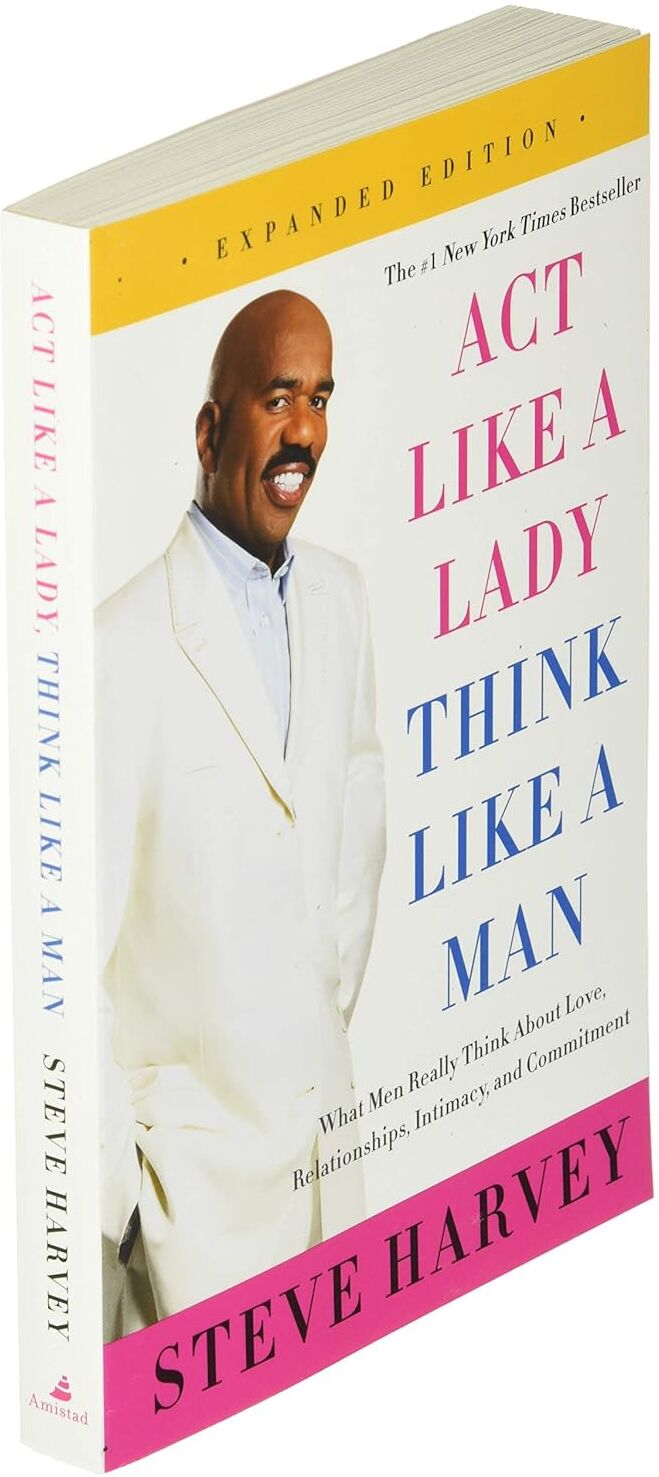
Amistad Act Like a Lady, Think Like a Man, Expanded Edition: What Men Really Think About Love, Relationships, Intimacy, and CommitmentThe #1 New York Times smash bestseller Revised and expanded with new material. With over two million copies sold, Act Like a Lady, Think Like a Man has become a bestseller around the world. In conjunction with its second movie sequel to be released this summer, Steve Harvey has updated his classic with new advice and insights. Whether it’s why women should enforce a “90-Day Probation Period” before they give their men sexual “benefits”―the way Ford motor company withholds medical and dental benefits until an employee has been on the job for 3 months―or explaining to women why men would rather “fix it” than talk about it, Steve Harvey’s advice is always spot-on and laden with warmth and humor. But behind the laughter is his sincere desire to help women understand how men think. Now, Steve shares even more practical dating advice. Does it feel like your man’s friends are against you? What should you know about being a wife, before you say “I Do”? Steve provides the answers to these questions and more, and offers new insights including: How to put spice into your relationship 8 sure-fire ways to keep your cool when his “ex” shows up A test for you and your partner, to see if you’re actually ready for marriage. . . or need more time A 90-day abstinence calendar, and tips for making it through this important trial period With liberal use of his own adventures in love and courtship, Act Like a Lady, Think Like a Man is an honest, compelling, and realistic examination of how men think about love and relationships, and what women need to know so that they can set realistic expectations of the men in their life.4,90 £*Shipping: 1,99 £Secure redirect to the provider


-
Are trophic levels and trophic levels the same thing in biology?
No, "trophic levels" and "trophic levels" are not the same thing in biology. "Trophic levels" refer to the hierarchical levels in an ecosystem based on an organism's position in the food chain, such as producers, primary consumers, secondary consumers, and so on. On the other hand, "trophic levels" appears to be a typographical error or a repetition of the term "trophic levels." In biology, it is important to use accurate and specific terminology to avoid confusion and miscommunication. **
-
Why do organisms become larger from trophic level to trophic level?
Organisms become larger from trophic level to trophic level due to the efficiency of energy transfer in ecosystems. As energy is transferred from one trophic level to the next, there is a loss of energy in the form of heat and metabolic processes. Larger organisms are able to consume more energy-rich food sources and have a more efficient metabolism, allowing them to grow in size as they move up the food chain. Additionally, larger organisms are better equipped to capture and consume prey, giving them a competitive advantage in obtaining energy and resources. **
-
Why do organisms get larger from trophic level to trophic level?
Organisms tend to get larger from one trophic level to the next because as energy is transferred up the food chain, there is a loss of energy at each level. This means that organisms at higher trophic levels need to consume larger quantities of organisms from lower trophic levels to obtain enough energy to sustain themselves. Additionally, larger organisms are more efficient at capturing and consuming prey, allowing them to thrive at higher trophic levels. Finally, larger organisms have a lower surface area to volume ratio, which helps them retain heat and energy more effectively. **
-
Why does the biomass decrease from trophic level to trophic level?
Biomass decreases from trophic level to trophic level because energy is lost as it moves through the food chain. Organisms at each trophic level use some of the energy they consume for their own metabolic processes, such as respiration and movement, and the rest is lost as heat. This means that there is less energy available to be passed on to the next trophic level, resulting in a decrease in biomass. Additionally, not all of the energy from one trophic level is consumed by the next level, as some is lost through waste and uneaten parts of organisms. **

What are trophic levels in biology?
Trophic levels in biology refer to the hierarchical levels in an ecosystem where organisms are grouped based on their feeding relationships. The primary producers, such as plants, are at the base of the trophic levels as they convert sunlight into energy through photosynthesis. Herbivores that feed on plants are at the next level, followed by carnivores that eat herbivores. Each trophic level represents a transfer of energy and nutrients through the ecosystem, with energy decreasing as it moves up the levels. **
What is the trophic level of omnivores?
Omnivores are organisms that consume both plants and animals, so their trophic level can vary. When they consume plants, they are considered primary consumers (herbivores) and when they consume animals, they are considered secondary consumers (carnivores). This means that omnivores can occupy multiple trophic levels within a food web, depending on their diet. **
Top-Angebote
Products related to Trophic:
-
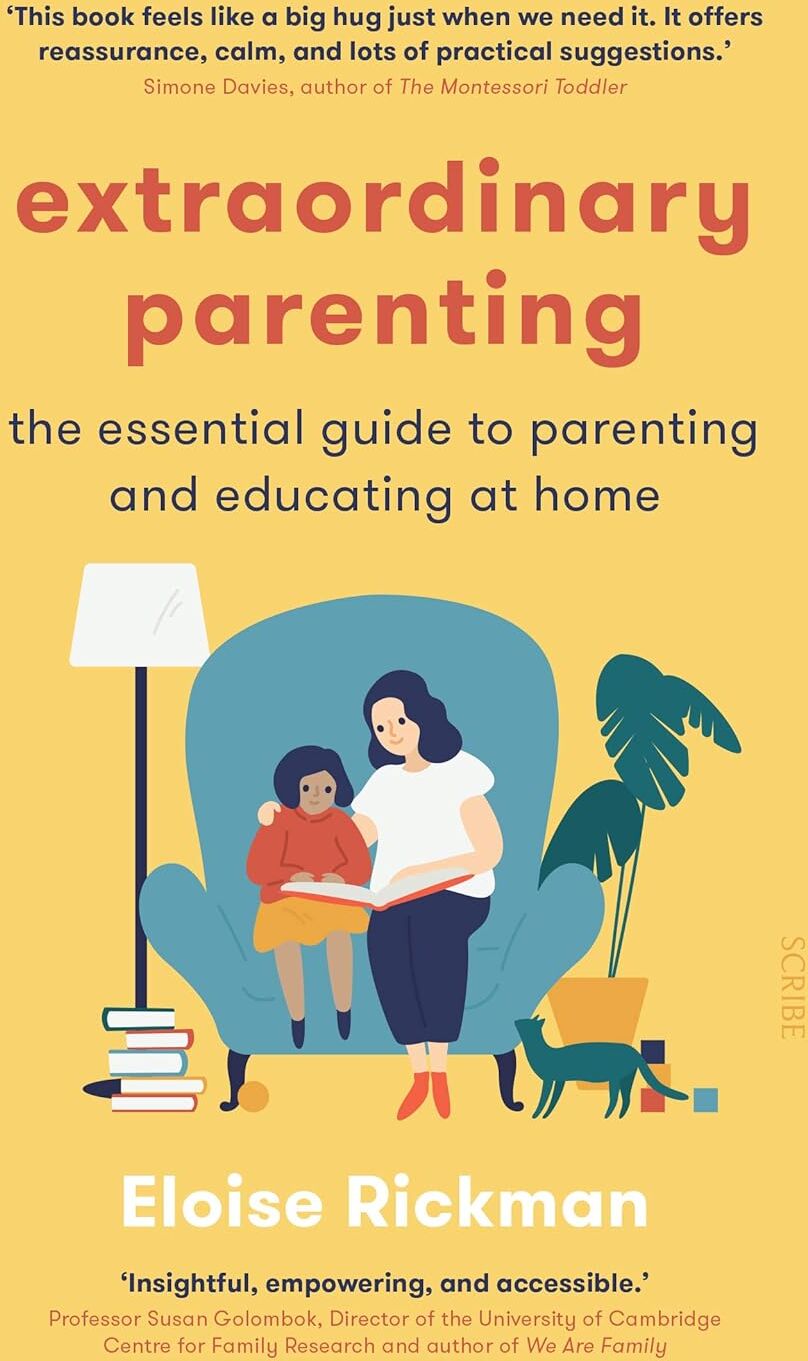
Scribe UK Extraordinary Parenting: The Essential Guide to Parenting and Educating at Home by Eloise Rickman - Paperback - Home Education & Parenting GuideA warm and practical companion for families choosing to learn together outside the classroom, this guide by Eloise Rickman offers reassurance, real strategies, and a rights-based approach to raising confident, independent children. Written by an experienced parenting coach, it moves past rigid timetables and worksheets, showing parents how genuine connection, secure routines, and a simplified home can spark curiosity naturally. Whether you're a full-time home educator or want more intentional learning in everyday life, this guide explores how everyday family life can become the richest classroom of all, drawing on the author's experience supporting home-educating families to explain how secure attachment underpins genuine curiosity and lifelong learning.5,49 £*Shipping: 2,99 £Secure redirect to the provider
-
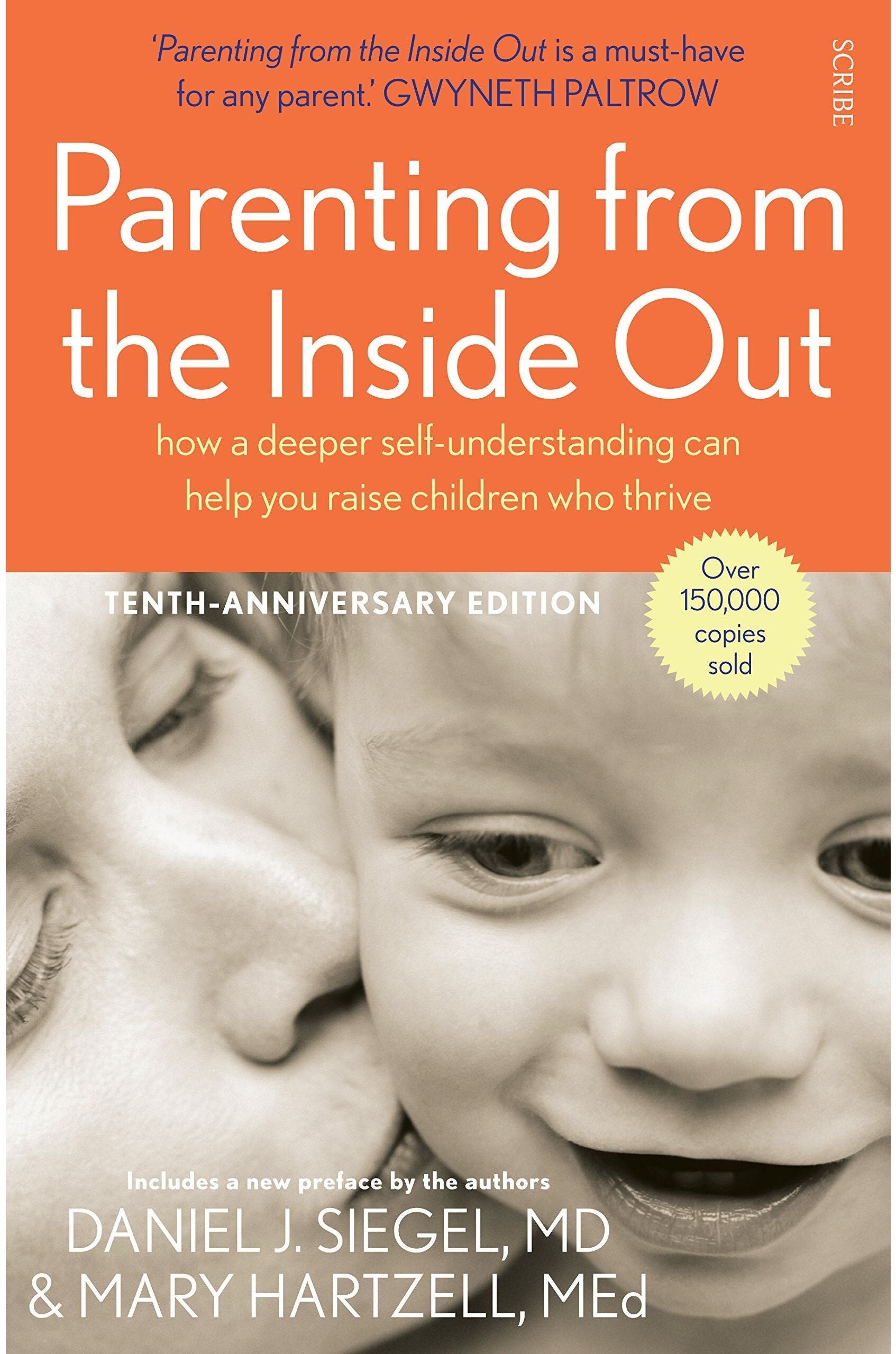
Scribe UK Parenting from the Inside Out: how a deeper self-understanding can help you raise children who thrive (Mindful Parenting)An updated edition of the parenting classic Have you ever thought: ‘I can’t believe I just said to my child the very thing my parents used to say to me! Am I destined to repeat the mistakes of my parents?’ In Parenting from the Inside Out, child psychiatrist Daniel J. Siegel and early-childhood expert Mary Hartzell explore how our childhood experiences shape the way we parent. Drawing on stunning new findings in neurobiology and attachment research, they explain how interpersonal relationships affect the development of the brain, and offer a step-by-step approach to forming a deeper understanding of our life stories, which will help us raise compassionate and resilient children. Combining Siegel’s cutting-edge neuroscience research with Hartzell’s 30 years of experience as a child-development specialist and parent educator, Parenting from the Inside Out guides us through creating the necessary foundations for secure and loving relationships with our children. This tenth-anniversary edition includes a new preface by the authors and incorporates the latest research from the field.7,99 £*Shipping: 2,99 £Secure redirect to the provider
-
The Readers Paradise The Complete Parenting Guide: Positive Parenting by Prof. N. K. Chandha - Non Fiction Paperback - Practical Advice for Raising Confident, Happy ChildrenRaising confident, emotionally balanced children starts with the right guidance, and The Complete Parenting Guide: Positive Parenting delivers exactly that. Written by Prof. N. K. Chandha, this accessible non-fiction paperback moves beyond vague theory to offer practical, everyday strategies parents can use immediately. It focuses on communication, boundaries, and emotional wellbeing, giving mums and dads a steady reference to return to as their family grows and new challenges appear along the way. This guide is built around the principles of positive parenting: nurturing children through encouragement, consistency, and empathy rather than fear or punishment. Across its chapters, the book walks through the core pillars of raising a well-adjusted child, including building self-esteem, encouraging independence, and managing difficult behaviour calmly.2,99 £*Shipping: 2,99 £Secure redirect to the provider
-
Bluebird Closer to Love: How to Attract the Right Relationships and Deepen Your Connections by Vex King - PAPERBACKDo you love your partner but want to rekindle that ‘in love’ feeling?Do you go on plenty of dates but can’t seem to click with the right person?Do you keep having the same conflicts with your partner?Embark on a journey of self-love to experience authentic connection and unconditional love . . .Speaking from his personal experiences of healing from heartbreak and finding lasting love, Vex shares practical advice and thought-provoking insights to help you:- Understand how you love and the role you play in your connections- Heal from past conditioning, unprocessed emotions and trauma- Cultivate healthy habits, boundaries and behaviours- Nurture meaningful, mindful and lasting connections.Essential reading for anyone looking to deepen their understanding of themselves and their relationships.7,99 £*Shipping: 2,99 £Secure redirect to the provider
-
What are trophic levels and trophic structures?
Trophic levels refer to the hierarchical levels in an ecosystem through which energy and nutrients flow. They represent the feeding positions of different organisms in a food chain or food web. Trophic structures, on the other hand, describe the organization of these trophic levels within an ecosystem. This includes the distribution of energy and nutrients among different organisms, as well as the interactions and relationships between them. Overall, trophic levels and trophic structures are important concepts for understanding the flow of energy and nutrients in ecosystems and the dynamics of food chains and food webs. **
-
Are trophic levels and trophic levels the same in biology?
No, trophic levels and trophic levels are not the same in biology. Trophic levels refer to the hierarchical levels in an ecosystem based on an organism's position in the food chain, such as producers, primary consumers, secondary consumers, etc. On the other hand, trophic cascades are the indirect effects that occur when a change in one trophic level impacts other trophic levels in the ecosystem. Both concepts are important in understanding the dynamics of energy flow and interactions within ecosystems. **
-
Are trophic levels and trophic levels the same thing in biology?
No, "trophic levels" and "trophic levels" are not the same thing in biology. "Trophic levels" refer to the hierarchical levels in an ecosystem based on an organism's position in the food chain, such as producers, primary consumers, secondary consumers, and so on. On the other hand, "trophic levels" appears to be a typographical error or a repetition of the term "trophic levels." In biology, it is important to use accurate and specific terminology to avoid confusion and miscommunication. **
-
Why do organisms become larger from trophic level to trophic level?
Organisms become larger from trophic level to trophic level due to the efficiency of energy transfer in ecosystems. As energy is transferred from one trophic level to the next, there is a loss of energy in the form of heat and metabolic processes. Larger organisms are able to consume more energy-rich food sources and have a more efficient metabolism, allowing them to grow in size as they move up the food chain. Additionally, larger organisms are better equipped to capture and consume prey, giving them a competitive advantage in obtaining energy and resources. **
Similar search terms for Trophic
-
Mastering Relationships by Astha Kapoor - Relationship & Self-Help Guide - New Paperback - Practical Advice for Healthier RelationshipsRelationships shape almost every part of our daily happiness, yet so many of us never learn the practical skills needed to keep them strong. Mastering Relationships by Astha Kapoor is a down-to-earth non-fiction guide that tackles communication, boundaries, and emotional connection head-on. Rather than leaning on dense psychological jargon, the author offers clear, usable advice for anyone wanting calmer conversations, deeper trust, and fewer repeated arguments. This paperback is written for real life, not theory, making it a genuinely approachable read for partners, friends, and families alike. Mastering Relationships walks readers through the everyday friction points that quietly erode connection: miscommunication, unspoken expectations, and boundaries that are either too rigid or missing altogether. Astha Kapoor breaks these challenges into manageable, relatable chapters, encouraging self-reflection.2,99 £*Shipping: 2,99 £Secure redirect to the provider
-
Amistad Act Like a Lady, Think Like a Man, Expanded Edition: What Men Really Think About Love, Relationships, Intimacy, and CommitmentThe #1 New York Times smash bestseller Revised and expanded with new material. With over two million copies sold, Act Like a Lady, Think Like a Man has become a bestseller around the world. In conjunction with its second movie sequel to be released this summer, Steve Harvey has updated his classic with new advice and insights. Whether it’s why women should enforce a “90-Day Probation Period” before they give their men sexual “benefits”―the way Ford motor company withholds medical and dental benefits until an employee has been on the job for 3 months―or explaining to women why men would rather “fix it” than talk about it, Steve Harvey’s advice is always spot-on and laden with warmth and humor. But behind the laughter is his sincere desire to help women understand how men think. Now, Steve shares even more practical dating advice. Does it feel like your man’s friends are against you? What should you know about being a wife, before you say “I Do”? Steve provides the answers to these questions and more, and offers new insights including: How to put spice into your relationship 8 sure-fire ways to keep your cool when his “ex” shows up A test for you and your partner, to see if you’re actually ready for marriage. . . or need more time A 90-day abstinence calendar, and tips for making it through this important trial period With liberal use of his own adventures in love and courtship, Act Like a Lady, Think Like a Man is an honest, compelling, and realistic examination of how men think about love and relationships, and what women need to know so that they can set realistic expectations of the men in their life.4,90 £*Shipping: 1,99 £Secure redirect to the provider
-
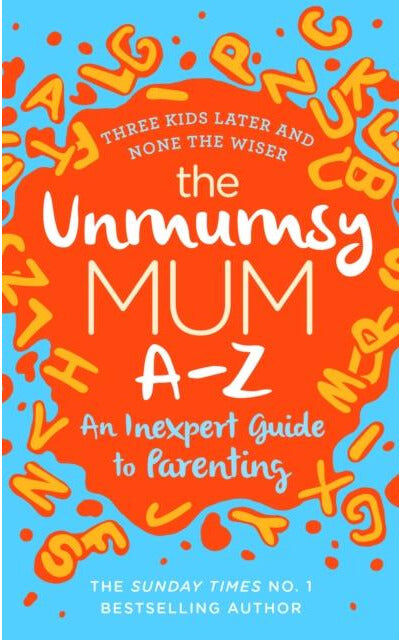
Transworld Publishers Ltd Books about parenting, The Unmumsy Mum A-Z - An Inexpert Guide to Parenting by Sarah Turner (Parenting Guide Book)From bestselling author and massively popular blogger The Unmumsy Mum comes this hilarious, irreverent and searingly candid compendium of parenting experiences. With entries including D is for Desperation, F is for Fish Fingers, S is for Supermum and V is for Vagina, it is safe to say this is not your average A-Z. This book wont tell you what sort of parent you should or should not be; instead, it offers a refreshingly honest account of what being a mum to three young children is really like and the surprising lessons that have been learned along the way. If you feel as though you are not measuring up or are struggling to cherish every moment, Sarah tales from the thick of it will reassure and resonate with you. Above all, her commitment to telling the truth, the whole truth and nothing but the truth will make you laugh out loud and remind you that you are, in fact, doing a great job. What readers are saying: For all parents out there, this is a must read. Absolutely hilarious and so true to life. 100 recommend. Makes me smile and actually keeps me sane as it is so easy to relate to. It made me laugh Sleeping through, it made me cry Xmas and it made me feel better about the times I think I am getting it wrong.1,99 £*Shipping: 1,99 £Secure redirect to the provider
-
Sheldon Press Autism in Childhood & Avoiding Anxiety in Autistic Children – 2 Book Collection Set by Luke Beardon Autism Parenting & Support GuideAutism in Childhood, Avoiding Anxiety in Autistic Children 2 Books Collection Set Gain practical guidance and deeper understanding with the Autism in Childhood & Avoiding Anxiety in Autistic Children – 2 Books Collection Set by leading autism specialist Luke Beardon. This valuable collection provides supportive strategies for parents, caregivers, teachers, and professionals who work with autistic children. Combining research-based insights with practical advice, these books help adults better understand autism and support children in managing emotional challenges. Included in this set: Autism in Childhood – An accessible introduction to autism in children, explaining behaviours, communication differences, and how to create supportive environments for autistic young people. Avoiding Anxiety in Autistic Children – A practical guide offering strategies to reduce anxiety, prevent emotional overwhelm, and help autistic children feel safe and understood in everyday situations. Together, these books offer compassionate and effective tools to help autistic children thrive at home, in school, and in social environments. Why Parents & Educators Value This Collection Written by a respected autism specialist and researcher Practical advice for understanding autism in children Strategies to help reduce anxiety and emotional stress Helpful for parents, caregivers, teachers, and therapists Evidence-based guidance with real-world examples This insightful 2-book collection is an essential resource for anyone supporting autistic children and promoting positive development.7,99 £*Shipping: 2,99 £Secure redirect to the provider
-
Why do organisms get larger from trophic level to trophic level?
Organisms tend to get larger from one trophic level to the next because as energy is transferred up the food chain, there is a loss of energy at each level. This means that organisms at higher trophic levels need to consume larger quantities of organisms from lower trophic levels to obtain enough energy to sustain themselves. Additionally, larger organisms are more efficient at capturing and consuming prey, allowing them to thrive at higher trophic levels. Finally, larger organisms have a lower surface area to volume ratio, which helps them retain heat and energy more effectively. **
-
Why does the biomass decrease from trophic level to trophic level?
Biomass decreases from trophic level to trophic level because energy is lost as it moves through the food chain. Organisms at each trophic level use some of the energy they consume for their own metabolic processes, such as respiration and movement, and the rest is lost as heat. This means that there is less energy available to be passed on to the next trophic level, resulting in a decrease in biomass. Additionally, not all of the energy from one trophic level is consumed by the next level, as some is lost through waste and uneaten parts of organisms. **
-
What are trophic levels in biology?
Trophic levels in biology refer to the hierarchical levels in an ecosystem where organisms are grouped based on their feeding relationships. The primary producers, such as plants, are at the base of the trophic levels as they convert sunlight into energy through photosynthesis. Herbivores that feed on plants are at the next level, followed by carnivores that eat herbivores. Each trophic level represents a transfer of energy and nutrients through the ecosystem, with energy decreasing as it moves up the levels. **
-
What is the trophic level of omnivores?
Omnivores are organisms that consume both plants and animals, so their trophic level can vary. When they consume plants, they are considered primary consumers (herbivores) and when they consume animals, they are considered secondary consumers (carnivores). This means that omnivores can occupy multiple trophic levels within a food web, depending on their diet. **
* All prices are inclusive of VAT and, if applicable, plus shipping costs. The offer information is based on the details provided by the respective shop and is updated through automated processes. Real-time updates do not occur, so deviations can occur in individual cases. ** Note: Parts of this content were created by AI.