Buy family.co.at ?
We are moving the project
family.co.at .
Are you interested in purchasing the domain
family.co.at ?
domain@kv-gmbh.de · 0541-91531010
Buy family.co.at ?
What do children learn?
Children learn a wide range of skills and knowledge as they grow and develop. They learn how to communicate, problem-solve, and interact with others. They also learn academic subjects such as math, science, and language arts. Additionally, children learn important social and emotional skills like empathy, resilience, and self-regulation. Overall, children are constantly learning and absorbing information from their environment to help them navigate the world around them. **
How do children learn respect?
Children learn respect through modeling and guidance from adults. When they see adults treating others with respect, they are more likely to emulate that behavior. Additionally, setting clear expectations and boundaries for respectful behavior and consistently enforcing them helps children understand the importance of respect. Teaching children empathy and perspective-taking also helps them understand the feelings and experiences of others, leading to more respectful interactions. Overall, children learn respect through observation, guidance, and practice in their interactions with others. **

Similar search terms for Learn
Top-Angebote
Products related to Learn:
-
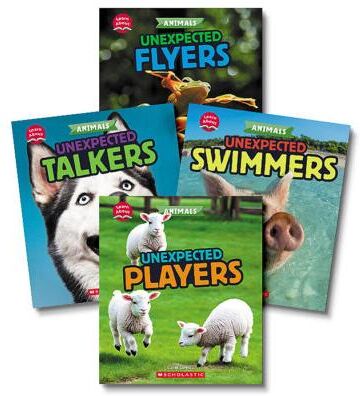
Learn About: Unexpected Animals Value PackThe natural world is filled with animals doing unexpected things! It is hard to believe, but orcas can talk, sloths can swim, some snakes can fly, and octopuses love to play. Each book in this vibrant new nonfiction series explores the unusual...23,99 $*Shipping: 0,00 $Secure redirect to the provider
-
Scholastic Learn The Alphabet & Numbers CollectionHelp your child learn the alphabet and numbers with this interactive bundle.This set contains:I SPY LettersI SPY NumbersScholastic Early Learners: Write-and-Repeat Alphabet PracticeScholastic Early Learners: Write-and-Repeat Number...46,77 $*Shipping: 0,00 $Secure redirect to the provider
-
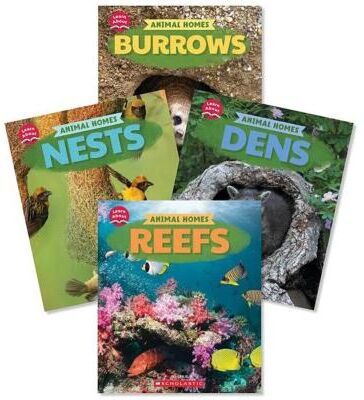
Learn About: Animal Homes Value PackAnimals live in all sorts of amazing homes! These cozy places keep them safe and warm, are conveniently located near food and water, and provide a secure place for their little ones. Some animals build their homes high up in the trees, while others...23,99 $*Shipping: 0,00 $Secure redirect to the provider
-
Piccadilly Press How to Talk So Kids Can Learn at Home and in School - Adele Faber & Elaine Mazlish - Paperback - Bestselling Parenting & Education Guide for ParentsHow to Talk So Kids Can Learn at Home and in School is a practical guide from parenting experts Adele Faber and Elaine Mazlish. This book applies their renowned communication techniques to the challenges of learning, motivation, and school life, offering tools that can genuinely change how adults and children interact around education, homework, and classroom behaviour. Drawing on the same down-to-earth dialogues, real-life examples, and instantly recognisable cartoons that made Faber and Mazlish's earlier work a worldwide phenomenon, this book tackles the everyday frustrations parents and teachers face when trying to help children succeed academically. Written for parents and teachers alike, it provides a straightforward approach to helping children learn and succeed in school.5,99 £*Shipping: 2,99 £Secure redirect to the provider


-
How can one learn about economic relationships?
One can learn about economic relationships through studying economics, which involves understanding the principles of supply and demand, market structures, and the factors that influence economic decision-making. Additionally, staying informed about current events and global economic trends can provide insight into how different economic factors interact and impact each other. Engaging in discussions with experts and professionals in the field of economics can also provide valuable knowledge about economic relationships. Finally, practical experience, such as managing personal finances or participating in economic simulations, can help individuals understand the real-world implications of economic relationships. **
-
How does the ex make co-parenting with the shared children difficult?
The ex makes co-parenting difficult by being uncooperative and uncommunicative. They may refuse to adhere to the agreed-upon custody schedule, make unilateral decisions without consulting the other parent, or use the children as pawns in their own personal conflicts. Additionally, the ex may badmouth the other parent in front of the children, creating tension and confusion for them. Overall, the ex's lack of cooperation and respect for the co-parenting relationship creates ongoing challenges and stress for both parents and the shared children. **
-
How do you find co-parenting?
Co-parenting can be challenging, but it can also be rewarding when both parents are able to communicate effectively and prioritize the well-being of their children. It requires a lot of patience, compromise, and understanding from both parties. Setting clear boundaries and expectations, as well as maintaining open lines of communication, are key to successful co-parenting. It's important to focus on the needs of the children and work together to create a stable and supportive environment for them. **
-
Can girls learn to love?
Yes, girls can learn to love just like anyone else. Love is a complex emotion that can be developed and nurtured through experiences, relationships, and personal growth. Girls, like all individuals, have the capacity to learn about love, form connections, and develop deep, meaningful relationships with others. It is a natural part of human development to learn and experience love in various forms throughout life. **


How do children learn to add?
Children learn to add through a combination of hands-on activities, visual aids, and repetition. Initially, they may use physical objects like blocks or counters to understand the concept of combining quantities. As they progress, they start to memorize basic addition facts and learn strategies such as counting on or using number lines. Practice and reinforcement through activities like worksheets, games, and real-life situations help solidify their understanding of addition. **
Why do children learn languages faster?
Children learn languages faster than adults because their brains are more flexible and adaptable during the critical period of language development. They are also constantly exposed to language input from their environment, which helps them pick up new words and grammar rules effortlessly. Additionally, children are more willing to take risks and make mistakes when practicing a new language, which accelerates their learning process. **
Top-Angebote
Products related to Learn:
-
Learn About Animals Value PackWhether it is a group of wild mammals, birds, or even insects, there is a unique name to identify each specific animal group. Groups of bees, butterflies, rabbits, and dogs are the stars of this vibrant new set of LEARN ABOUT books that are packed...23,76 $*Shipping: 0,00 $Secure redirect to the provider
-
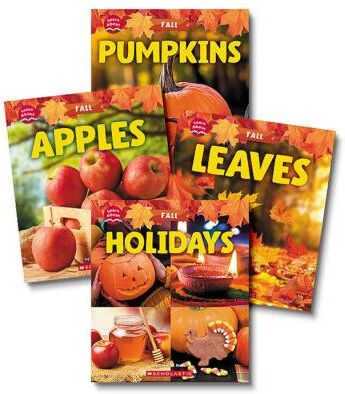
Learn About: Fall Value PackFall is here and so are colorful leaves, delicious apples, orange pumpkins, and lots of celebrations! With this new series, dive into the icons that make fall so much fun. Why do we harvest apples in fall? How does a pumpkin grow? Why do leaves...23,99 $*Shipping: 0,00 $Secure redirect to the provider
-
Learn About: Unexpected Animals Value PackThe natural world is filled with animals doing unexpected things! It is hard to believe, but orcas can talk, sloths can swim, some snakes can fly, and octopuses love to play. Each book in this vibrant new nonfiction series explores the unusual...23,99 $*Shipping: 0,00 $Secure redirect to the provider
-
Scholastic Learn The Alphabet & Numbers CollectionHelp your child learn the alphabet and numbers with this interactive bundle.This set contains:I SPY LettersI SPY NumbersScholastic Early Learners: Write-and-Repeat Alphabet PracticeScholastic Early Learners: Write-and-Repeat Number...46,77 $*Shipping: 0,00 $Secure redirect to the provider
-
What do children learn?
Children learn a wide range of skills and knowledge as they grow and develop. They learn how to communicate, problem-solve, and interact with others. They also learn academic subjects such as math, science, and language arts. Additionally, children learn important social and emotional skills like empathy, resilience, and self-regulation. Overall, children are constantly learning and absorbing information from their environment to help them navigate the world around them. **
-
How do children learn respect?
Children learn respect through modeling and guidance from adults. When they see adults treating others with respect, they are more likely to emulate that behavior. Additionally, setting clear expectations and boundaries for respectful behavior and consistently enforcing them helps children understand the importance of respect. Teaching children empathy and perspective-taking also helps them understand the feelings and experiences of others, leading to more respectful interactions. Overall, children learn respect through observation, guidance, and practice in their interactions with others. **
-
How can one learn about economic relationships?
One can learn about economic relationships through studying economics, which involves understanding the principles of supply and demand, market structures, and the factors that influence economic decision-making. Additionally, staying informed about current events and global economic trends can provide insight into how different economic factors interact and impact each other. Engaging in discussions with experts and professionals in the field of economics can also provide valuable knowledge about economic relationships. Finally, practical experience, such as managing personal finances or participating in economic simulations, can help individuals understand the real-world implications of economic relationships. **
-
How does the ex make co-parenting with the shared children difficult?
The ex makes co-parenting difficult by being uncooperative and uncommunicative. They may refuse to adhere to the agreed-upon custody schedule, make unilateral decisions without consulting the other parent, or use the children as pawns in their own personal conflicts. Additionally, the ex may badmouth the other parent in front of the children, creating tension and confusion for them. Overall, the ex's lack of cooperation and respect for the co-parenting relationship creates ongoing challenges and stress for both parents and the shared children. **
Similar search terms for Learn
-
Learn About: Animal Homes Value PackAnimals live in all sorts of amazing homes! These cozy places keep them safe and warm, are conveniently located near food and water, and provide a secure place for their little ones. Some animals build their homes high up in the trees, while others...23,99 $*Shipping: 0,00 $Secure redirect to the provider
-
Piccadilly Press How to Talk So Kids Can Learn at Home and in School - Adele Faber & Elaine Mazlish - Paperback - Bestselling Parenting & Education Guide for ParentsHow to Talk So Kids Can Learn at Home and in School is a practical guide from parenting experts Adele Faber and Elaine Mazlish. This book applies their renowned communication techniques to the challenges of learning, motivation, and school life, offering tools that can genuinely change how adults and children interact around education, homework, and classroom behaviour. Drawing on the same down-to-earth dialogues, real-life examples, and instantly recognisable cartoons that made Faber and Mazlish's earlier work a worldwide phenomenon, this book tackles the everyday frustrations parents and teachers face when trying to help children succeed academically. Written for parents and teachers alike, it provides a straightforward approach to helping children learn and succeed in school.5,99 £*Shipping: 2,99 £Secure redirect to the provider
-
Learn About: Just Discovered Animals Value PackDid you know scientists discover thousands of new species every year? Some are even named after things in popular culture like the Wakanda fish (Black Panther) and the Salazar's pit viper (Harry Potter). This vibrant new set of Learn About books...23,76 $*Shipping: 0,00 $Secure redirect to the provider
-
Little Shepherd Read and Learn Value PackLittle Shepherd Read and Learn Books: Biblically-based stories for children and parents to read, discuss, and grow in faith together.This set includes:Read and Learn: All About Jesus Sticker & Activity BookRead and Learn: Favorite Bible Stories...27,99 $*Shipping: 0,00 $Secure redirect to the provider
-
How do you find co-parenting?
Co-parenting can be challenging, but it can also be rewarding when both parents are able to communicate effectively and prioritize the well-being of their children. It requires a lot of patience, compromise, and understanding from both parties. Setting clear boundaries and expectations, as well as maintaining open lines of communication, are key to successful co-parenting. It's important to focus on the needs of the children and work together to create a stable and supportive environment for them. **
-
Can girls learn to love?
Yes, girls can learn to love just like anyone else. Love is a complex emotion that can be developed and nurtured through experiences, relationships, and personal growth. Girls, like all individuals, have the capacity to learn about love, form connections, and develop deep, meaningful relationships with others. It is a natural part of human development to learn and experience love in various forms throughout life. **
-
How do children learn to add?
Children learn to add through a combination of hands-on activities, visual aids, and repetition. Initially, they may use physical objects like blocks or counters to understand the concept of combining quantities. As they progress, they start to memorize basic addition facts and learn strategies such as counting on or using number lines. Practice and reinforcement through activities like worksheets, games, and real-life situations help solidify their understanding of addition. **
-
Why do children learn languages faster?
Children learn languages faster than adults because their brains are more flexible and adaptable during the critical period of language development. They are also constantly exposed to language input from their environment, which helps them pick up new words and grammar rules effortlessly. Additionally, children are more willing to take risks and make mistakes when practicing a new language, which accelerates their learning process. **
* All prices are inclusive of VAT and, if applicable, plus shipping costs. The offer information is based on the details provided by the respective shop and is updated through automated processes. Real-time updates do not occur, so deviations can occur in individual cases. ** Note: Parts of this content were created by AI.