Buy family.co.at ?
We are moving the project
family.co.at .
Are you interested in purchasing the domain
family.co.at ?
domain@kv-gmbh.de · 0541-91531010
Buy family.co.at ?
Who invented bacteria?
The discovery of bacteria is attributed to Dutch scientist Antonie van Leeuwenhoek. He is considered the "Father of Microbiology" and is credited with being the first person to observe and document bacteria using a microscope in the 17th century. **
Are bacteria protists?
No, bacteria are not protists. Bacteria are single-celled microorganisms that lack a nucleus and other membrane-bound organelles, and they belong to the domain Bacteria. On the other hand, protists are a diverse group of eukaryotic microorganisms that can be single-celled or multicellular, and they belong to the domain Eukarya. Therefore, bacteria and protists are two distinct groups of microorganisms with different characteristics and evolutionary histories. **

Similar search terms for Bacteria
Top-Angebote
Products related to Bacteria:
-
iSpring FC15-BV Replacement Water Filter, CTO + Pleated Water Filter Cartridge for US31-BV & CW31-BV, Removes Bacteria & VirusesFeatures: Bacteria & Virus Removal: Lasts up to 12 months, the FC15-BV water filter replacement combines a pleated filter with activated carbon (CTO) to deliver superior filtration performance.62,99 $*Shipping: 0,00 $Secure redirect to the provider
-
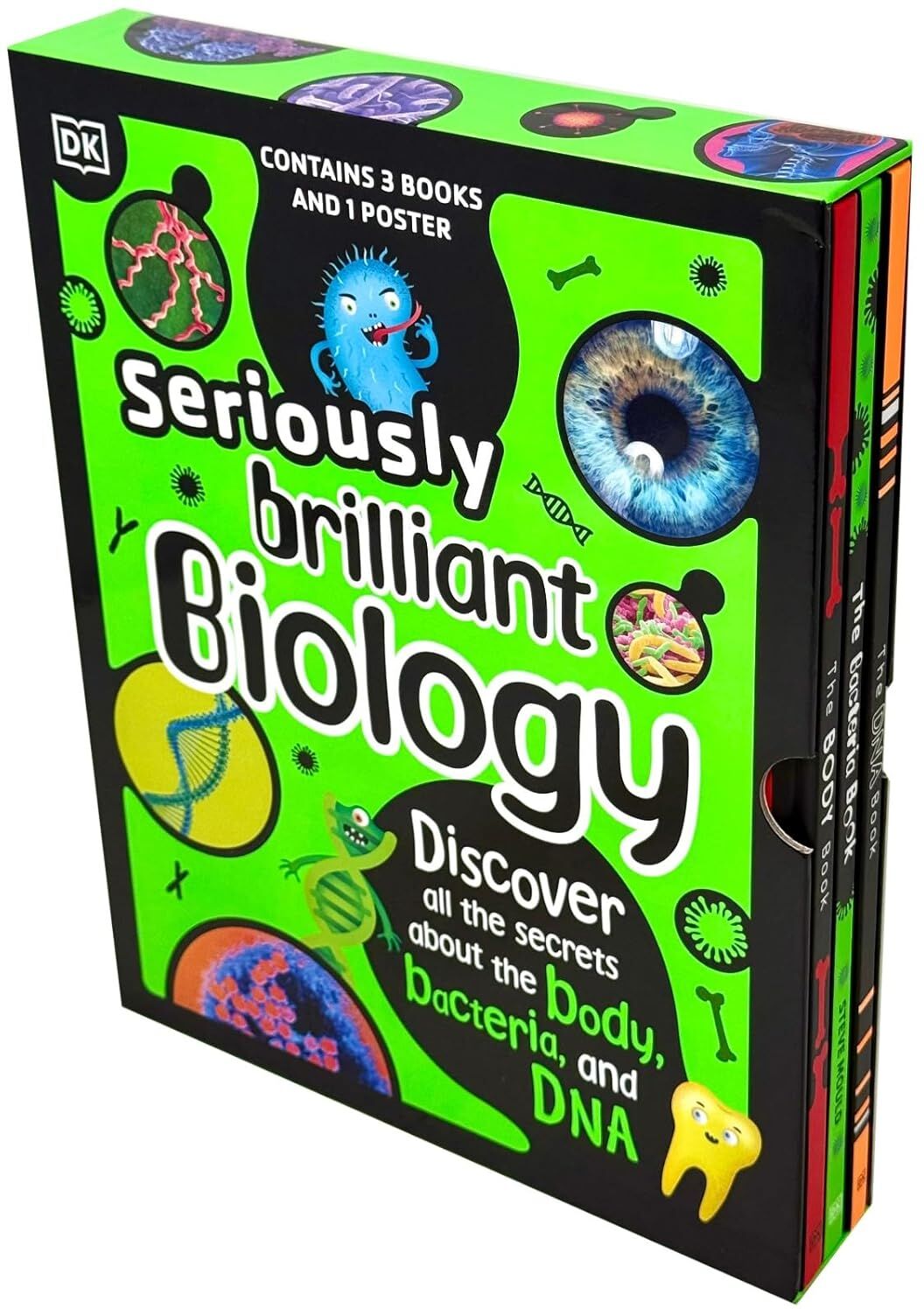
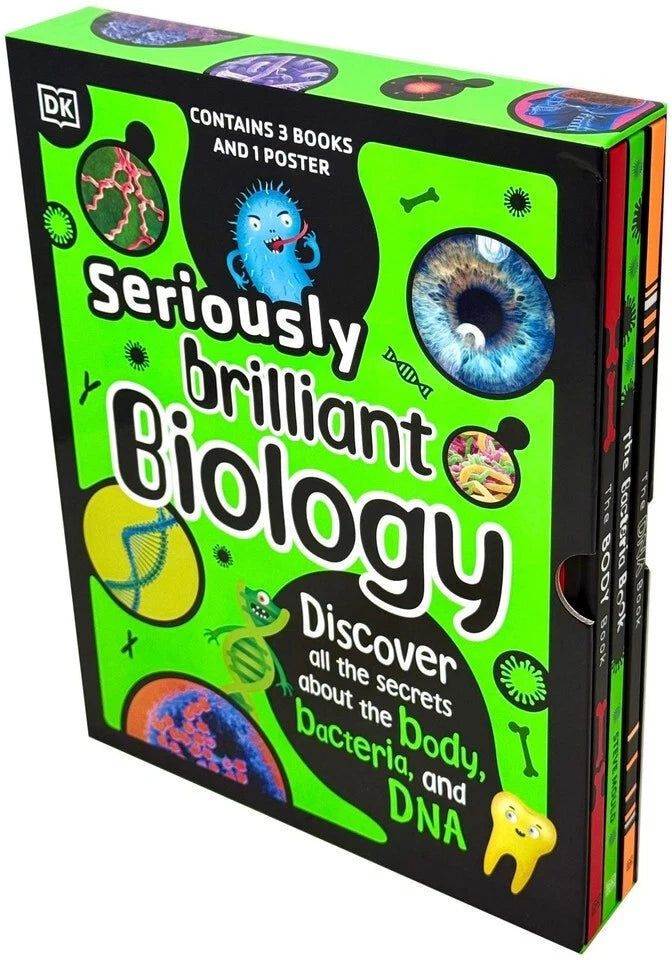
DK Seriously Brilliant Biology 3 Books Collection Set - The Body Book, The DNA Book & The Bacteria Book - Hardback - Ages 7-9 - Science Gift SetThe DK Seriously Brilliant Biology 3 Books Collection Set includes The Body Book, The DNA Book, and The Bacteria Book. Written for children aged 7-9, each title breaks down a big biological topic into bite-sized, illustrated chunks. The set covers human anatomy, genetics, and microbiology, making it a great addition to any home library or classroom shelf. The Body Book explores human anatomy, including the brain, skeleton, and immune system, while The DNA Book delves into the molecule found in every living thing. The Bacteria Book completes the set, offering a comprehensive look at microbiology. The books are written and reviewed by real science communicators, including bestselling author Steve Mould, to ensure accurate and engaging information for young scientists.12,99 £*Shipping: 2,99 £Secure redirect to the provider
-
Scribe UK Extraordinary Parenting: The Essential Guide to Parenting and Educating at Home by Eloise Rickman - Paperback - Home Education & Parenting GuideA warm and practical companion for families choosing to learn together outside the classroom, this guide by Eloise Rickman offers reassurance, real strategies, and a rights-based approach to raising confident, independent children. Written by an experienced parenting coach, it moves past rigid timetables and worksheets, showing parents how genuine connection, secure routines, and a simplified home can spark curiosity naturally. Whether you're a full-time home educator or want more intentional learning in everyday life, this guide explores how everyday family life can become the richest classroom of all, drawing on the author's experience supporting home-educating families to explain how secure attachment underpins genuine curiosity and lifelong learning.5,49 £*Shipping: 2,99 £Secure redirect to the provider
-
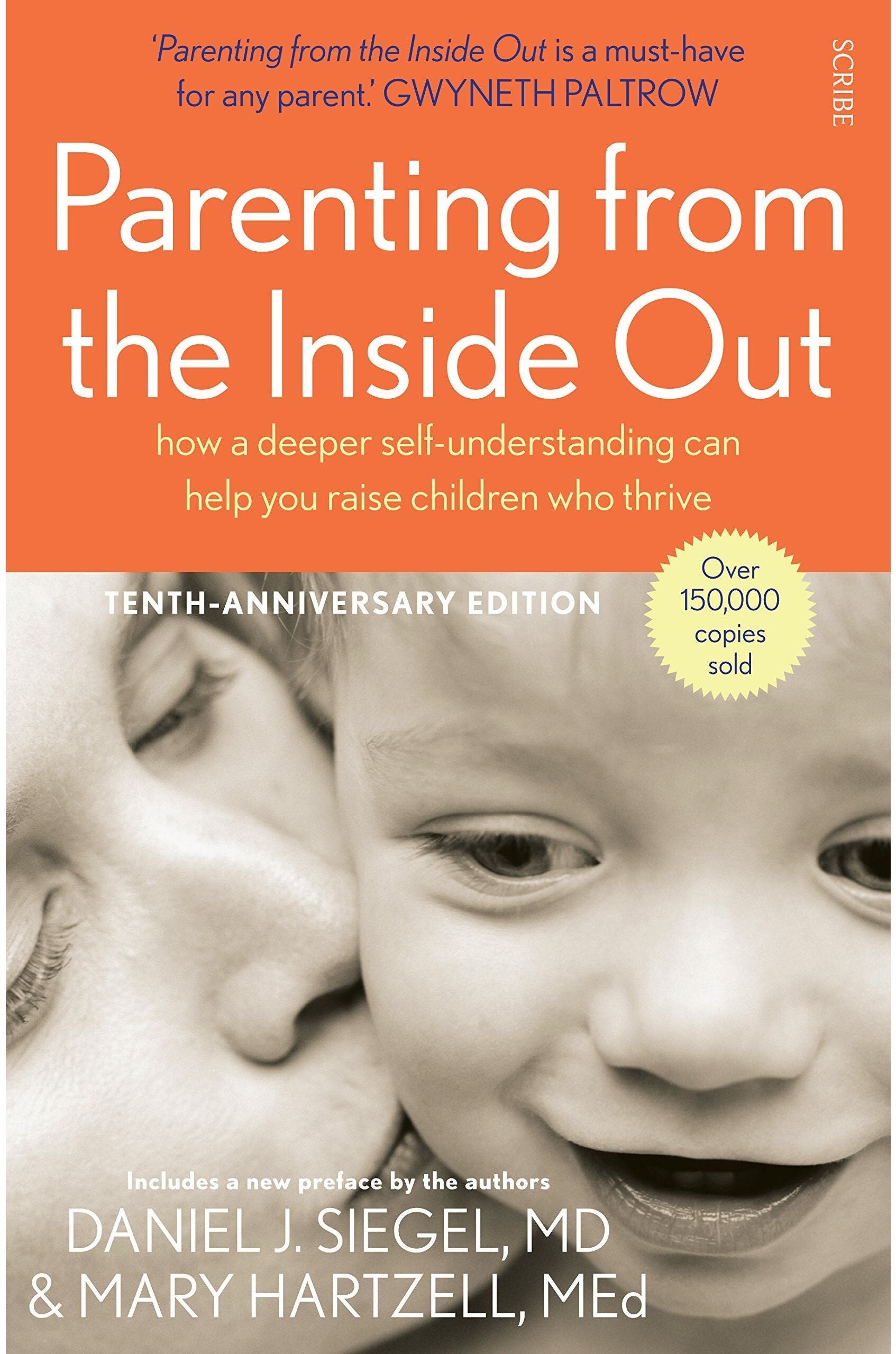
Scribe UK Parenting from the Inside Out: how a deeper self-understanding can help you raise children who thrive (Mindful Parenting)An updated edition of the parenting classic Have you ever thought: ‘I can’t believe I just said to my child the very thing my parents used to say to me! Am I destined to repeat the mistakes of my parents?’ In Parenting from the Inside Out, child psychiatrist Daniel J. Siegel and early-childhood expert Mary Hartzell explore how our childhood experiences shape the way we parent. Drawing on stunning new findings in neurobiology and attachment research, they explain how interpersonal relationships affect the development of the brain, and offer a step-by-step approach to forming a deeper understanding of our life stories, which will help us raise compassionate and resilient children. Combining Siegel’s cutting-edge neuroscience research with Hartzell’s 30 years of experience as a child-development specialist and parent educator, Parenting from the Inside Out guides us through creating the necessary foundations for secure and loving relationships with our children. This tenth-anniversary edition includes a new preface by the authors and incorporates the latest research from the field.7,99 £*Shipping: 2,99 £Secure redirect to the provider


-
Which bacteria form endospores?
Certain bacteria, such as Bacillus and Clostridium, are known to form endospores. These endospores are a dormant, tough, and non-reproductive structure that allows the bacteria to survive in harsh conditions, such as extreme temperatures, high levels of radiation, or lack of nutrients. Endospore formation is a survival mechanism for these bacteria, allowing them to remain viable until conditions become more favorable for growth and reproduction. **
-
How can bacteria survive?
Bacteria can survive in various ways, including forming spores that are resistant to harsh conditions, developing antibiotic resistance through genetic mutations, and forming biofilms that protect them from environmental stress. Additionally, bacteria can adapt to different environments by utilizing various metabolic pathways to obtain nutrients and energy. Some bacteria can also exchange genetic material through horizontal gene transfer, allowing them to acquire new traits that help them survive in changing conditions. **
-
When are bacteria useful?
Bacteria are useful in various ways, such as in the production of food and beverages (e.g., yogurt, cheese, and beer), in the decomposition of organic matter, in the nitrogen cycle, in bioremediation processes, and in the production of antibiotics and other pharmaceuticals. Additionally, bacteria play a crucial role in our digestive system by aiding in the breakdown of food and the absorption of nutrients. **
-
How do bacteria feed?
Bacteria feed by absorbing nutrients from their environment through a process called diffusion. They release enzymes that break down complex molecules into simpler forms that can be easily absorbed. Some bacteria are able to engulf food particles through a process called phagocytosis. Overall, bacteria have diverse feeding strategies and can utilize a wide range of organic and inorganic compounds for their nutrition. **
What are good bacteria?
Good bacteria, also known as probiotics, are beneficial microorganisms that promote a healthy balance in the gut microbiome. They help with digestion, nutrient absorption, and support the immune system. Good bacteria can be found in fermented foods like yogurt, kefir, and sauerkraut, as well as in dietary supplements. Consuming these beneficial bacteria can help maintain a healthy gut and overall well-being. **
Do vomit contain bacteria?
Yes, vomit can contain bacteria. When a person vomits, the contents of their stomach, including any bacteria present, are expelled. This can include bacteria from food, viruses, or bacteria that are normally present in the digestive system. It's important to clean up vomit carefully to prevent the spread of any potential bacteria or viruses. **
Top-Angebote
Products related to Bacteria:
-
DK Children DK Seriously Brilliant Biology 3 Books Box Set and 1 Poster (The Body Book, The DNA Book and The Bacteria Book)The Body Book: It's inside every living plant and animal, from the tiniest seed to the person standing next to you, but how much do you know about DNA? This book gives children an in-depth look at DNA and its role in all living things--from why we have different-colored eyes to why we age. Discover what DNA is, what it does, and how it shapes our lives, including inheritance and why we look like our parents; forensic science and how DNA evidence helps catch criminals; and genetic engineering and if we could bring dinosaurs back to life. With fun illustrated DNA characters, clear diagrams, and astonishing photographs, children will love learning about themselves and this all-important molecule. The Body Book : Your body is awe-inspiring, amazing and miraculous. Your heart pumps blood all around your body to keep you alive and carry you around every single day. It keeps you alive and carries you around every day. But how much do you really know about what's going on beneath the surface? Jump on board as DK takes you on a fun-filled journey under your skin, through your insides, and back in time to explore milestones in medicine and the latest scientific discoveries about the human body. Are you coming? The Bacteria Book: What do glowing squid, mouldy bread, and soil creatures all have in common? They're all part of the world of microbiology! In this awesome introductory book for budding scientists, the big world of tiny organisms is revealed with remarkable photography, kooky characters, and lots of fun facts.12,99 £*Shipping: 2,99 £Secure redirect to the provider
-
iSpring FC15-BV Replacement Water Filter, CTO + Pleated Water Filter Cartridge for US31-BV & CW31-BV, Removes Bacteria & VirusesFeatures: Bacteria & Virus Removal: Lasts up to 12 months, the FC15-BV water filter replacement combines a pleated filter with activated carbon (CTO) to deliver superior filtration performance.62,99 $*Shipping: 0,00 $Secure redirect to the provider
-
DK Seriously Brilliant Biology 3 Books Collection Set - The Body Book, The DNA Book & The Bacteria Book - Hardback - Ages 7-9 - Science Gift SetThe DK Seriously Brilliant Biology 3 Books Collection Set includes The Body Book, The DNA Book, and The Bacteria Book. Written for children aged 7-9, each title breaks down a big biological topic into bite-sized, illustrated chunks. The set covers human anatomy, genetics, and microbiology, making it a great addition to any home library or classroom shelf. The Body Book explores human anatomy, including the brain, skeleton, and immune system, while The DNA Book delves into the molecule found in every living thing. The Bacteria Book completes the set, offering a comprehensive look at microbiology. The books are written and reviewed by real science communicators, including bestselling author Steve Mould, to ensure accurate and engaging information for young scientists.12,99 £*Shipping: 2,99 £Secure redirect to the provider
-
Who invented bacteria?
The discovery of bacteria is attributed to Dutch scientist Antonie van Leeuwenhoek. He is considered the "Father of Microbiology" and is credited with being the first person to observe and document bacteria using a microscope in the 17th century. **
-
Are bacteria protists?
No, bacteria are not protists. Bacteria are single-celled microorganisms that lack a nucleus and other membrane-bound organelles, and they belong to the domain Bacteria. On the other hand, protists are a diverse group of eukaryotic microorganisms that can be single-celled or multicellular, and they belong to the domain Eukarya. Therefore, bacteria and protists are two distinct groups of microorganisms with different characteristics and evolutionary histories. **
-
Which bacteria form endospores?
Certain bacteria, such as Bacillus and Clostridium, are known to form endospores. These endospores are a dormant, tough, and non-reproductive structure that allows the bacteria to survive in harsh conditions, such as extreme temperatures, high levels of radiation, or lack of nutrients. Endospore formation is a survival mechanism for these bacteria, allowing them to remain viable until conditions become more favorable for growth and reproduction. **
-
How can bacteria survive?
Bacteria can survive in various ways, including forming spores that are resistant to harsh conditions, developing antibiotic resistance through genetic mutations, and forming biofilms that protect them from environmental stress. Additionally, bacteria can adapt to different environments by utilizing various metabolic pathways to obtain nutrients and energy. Some bacteria can also exchange genetic material through horizontal gene transfer, allowing them to acquire new traits that help them survive in changing conditions. **
Similar search terms for Bacteria
-
Scribe UK Extraordinary Parenting: The Essential Guide to Parenting and Educating at Home by Eloise Rickman - Paperback - Home Education & Parenting GuideA warm and practical companion for families choosing to learn together outside the classroom, this guide by Eloise Rickman offers reassurance, real strategies, and a rights-based approach to raising confident, independent children. Written by an experienced parenting coach, it moves past rigid timetables and worksheets, showing parents how genuine connection, secure routines, and a simplified home can spark curiosity naturally. Whether you're a full-time home educator or want more intentional learning in everyday life, this guide explores how everyday family life can become the richest classroom of all, drawing on the author's experience supporting home-educating families to explain how secure attachment underpins genuine curiosity and lifelong learning.5,49 £*Shipping: 2,99 £Secure redirect to the provider
-
Scribe UK Parenting from the Inside Out: how a deeper self-understanding can help you raise children who thrive (Mindful Parenting)An updated edition of the parenting classic Have you ever thought: ‘I can’t believe I just said to my child the very thing my parents used to say to me! Am I destined to repeat the mistakes of my parents?’ In Parenting from the Inside Out, child psychiatrist Daniel J. Siegel and early-childhood expert Mary Hartzell explore how our childhood experiences shape the way we parent. Drawing on stunning new findings in neurobiology and attachment research, they explain how interpersonal relationships affect the development of the brain, and offer a step-by-step approach to forming a deeper understanding of our life stories, which will help us raise compassionate and resilient children. Combining Siegel’s cutting-edge neuroscience research with Hartzell’s 30 years of experience as a child-development specialist and parent educator, Parenting from the Inside Out guides us through creating the necessary foundations for secure and loving relationships with our children. This tenth-anniversary edition includes a new preface by the authors and incorporates the latest research from the field.7,99 £*Shipping: 2,99 £Secure redirect to the provider
-
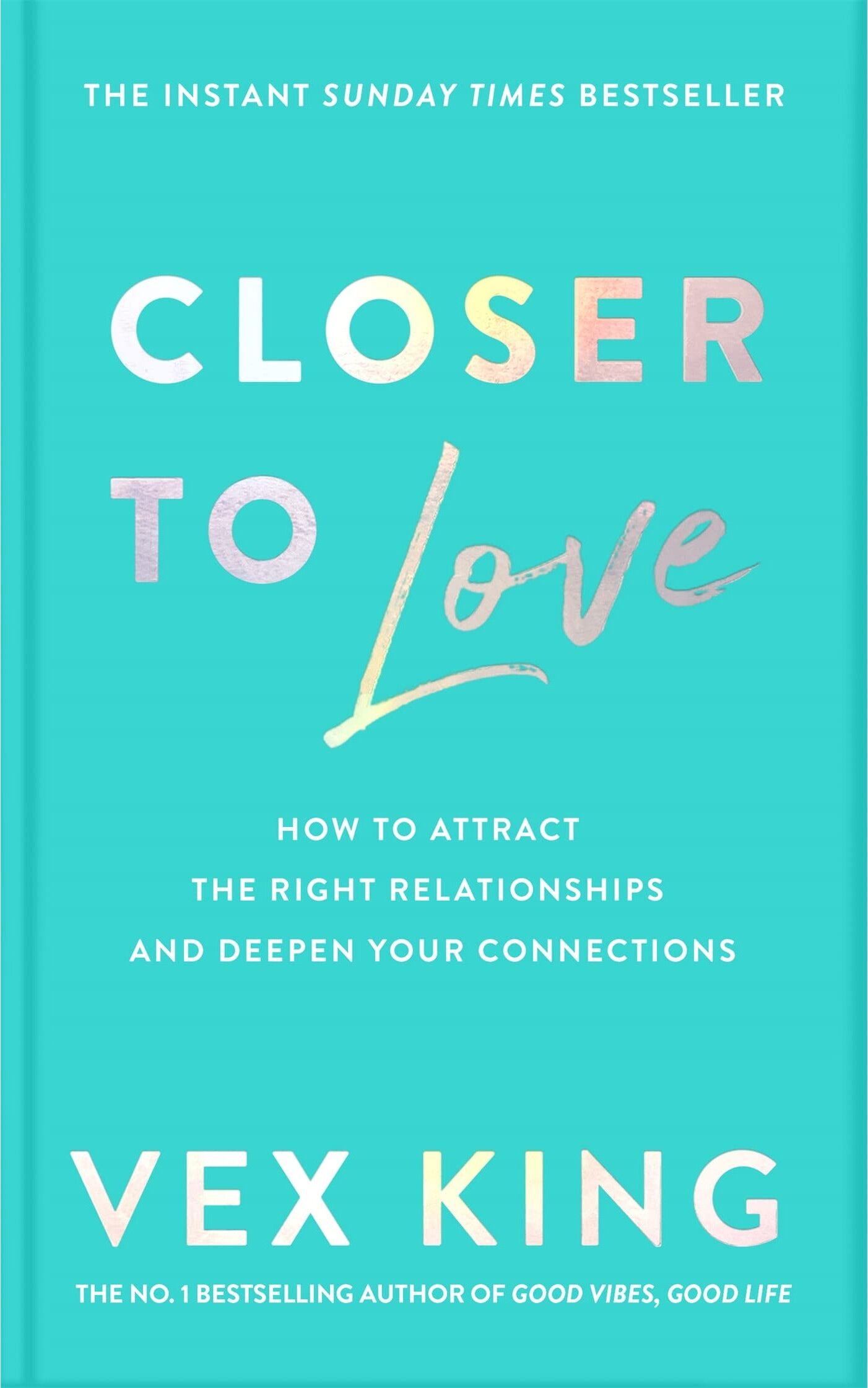
Bluebird Closer to Love: How to Attract the Right Relationships and Deepen Your Connections by Vex King - PAPERBACKDo you love your partner but want to rekindle that ‘in love’ feeling?Do you go on plenty of dates but can’t seem to click with the right person?Do you keep having the same conflicts with your partner?Embark on a journey of self-love to experience authentic connection and unconditional love . . .Speaking from his personal experiences of healing from heartbreak and finding lasting love, Vex shares practical advice and thought-provoking insights to help you:- Understand how you love and the role you play in your connections- Heal from past conditioning, unprocessed emotions and trauma- Cultivate healthy habits, boundaries and behaviours- Nurture meaningful, mindful and lasting connections.Essential reading for anyone looking to deepen their understanding of themselves and their relationships.7,99 £*Shipping: 2,99 £Secure redirect to the provider
-
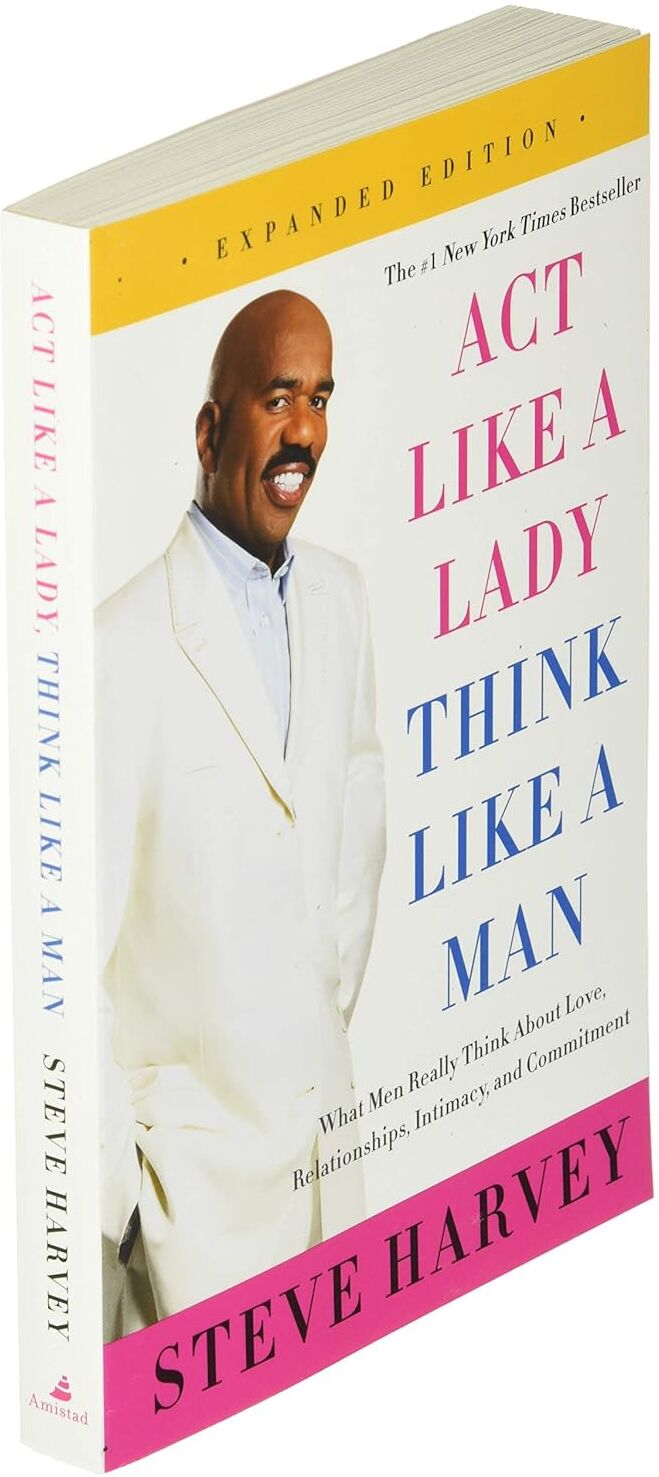
Amistad Act Like a Lady, Think Like a Man, Expanded Edition: What Men Really Think About Love, Relationships, Intimacy, and CommitmentThe #1 New York Times smash bestseller Revised and expanded with new material. With over two million copies sold, Act Like a Lady, Think Like a Man has become a bestseller around the world. In conjunction with its second movie sequel to be released this summer, Steve Harvey has updated his classic with new advice and insights. Whether it’s why women should enforce a “90-Day Probation Period” before they give their men sexual “benefits”―the way Ford motor company withholds medical and dental benefits until an employee has been on the job for 3 months―or explaining to women why men would rather “fix it” than talk about it, Steve Harvey’s advice is always spot-on and laden with warmth and humor. But behind the laughter is his sincere desire to help women understand how men think. Now, Steve shares even more practical dating advice. Does it feel like your man’s friends are against you? What should you know about being a wife, before you say “I Do”? Steve provides the answers to these questions and more, and offers new insights including: How to put spice into your relationship 8 sure-fire ways to keep your cool when his “ex” shows up A test for you and your partner, to see if you’re actually ready for marriage. . . or need more time A 90-day abstinence calendar, and tips for making it through this important trial period With liberal use of his own adventures in love and courtship, Act Like a Lady, Think Like a Man is an honest, compelling, and realistic examination of how men think about love and relationships, and what women need to know so that they can set realistic expectations of the men in their life.4,90 £*Shipping: 1,99 £Secure redirect to the provider
-
When are bacteria useful?
Bacteria are useful in various ways, such as in the production of food and beverages (e.g., yogurt, cheese, and beer), in the decomposition of organic matter, in the nitrogen cycle, in bioremediation processes, and in the production of antibiotics and other pharmaceuticals. Additionally, bacteria play a crucial role in our digestive system by aiding in the breakdown of food and the absorption of nutrients. **
-
How do bacteria feed?
Bacteria feed by absorbing nutrients from their environment through a process called diffusion. They release enzymes that break down complex molecules into simpler forms that can be easily absorbed. Some bacteria are able to engulf food particles through a process called phagocytosis. Overall, bacteria have diverse feeding strategies and can utilize a wide range of organic and inorganic compounds for their nutrition. **
-
What are good bacteria?
Good bacteria, also known as probiotics, are beneficial microorganisms that promote a healthy balance in the gut microbiome. They help with digestion, nutrient absorption, and support the immune system. Good bacteria can be found in fermented foods like yogurt, kefir, and sauerkraut, as well as in dietary supplements. Consuming these beneficial bacteria can help maintain a healthy gut and overall well-being. **
-
Do vomit contain bacteria?
Yes, vomit can contain bacteria. When a person vomits, the contents of their stomach, including any bacteria present, are expelled. This can include bacteria from food, viruses, or bacteria that are normally present in the digestive system. It's important to clean up vomit carefully to prevent the spread of any potential bacteria or viruses. **
* All prices are inclusive of VAT and, if applicable, plus shipping costs. The offer information is based on the details provided by the respective shop and is updated through automated processes. Real-time updates do not occur, so deviations can occur in individual cases. ** Note: Parts of this content were created by AI.